One of the adaptive immune system’s primary jobs is to recognize foreign substances in our bodies and unceremoniously reject them by eliciting inflammation. So the fact that it lets about 100 grams of assorted foreign animal and plant proteins pass through our digestive systems every single day with nary a peep is curious—food allergies are an exception.
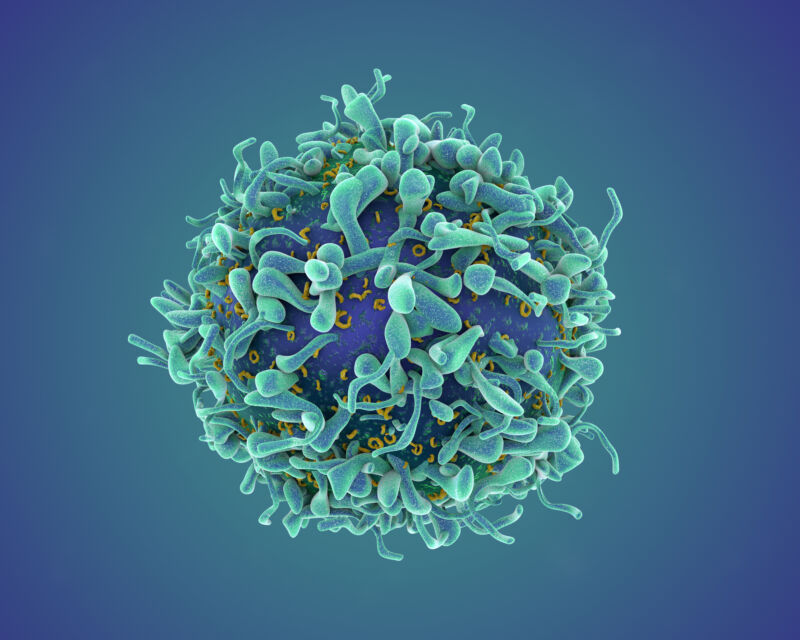
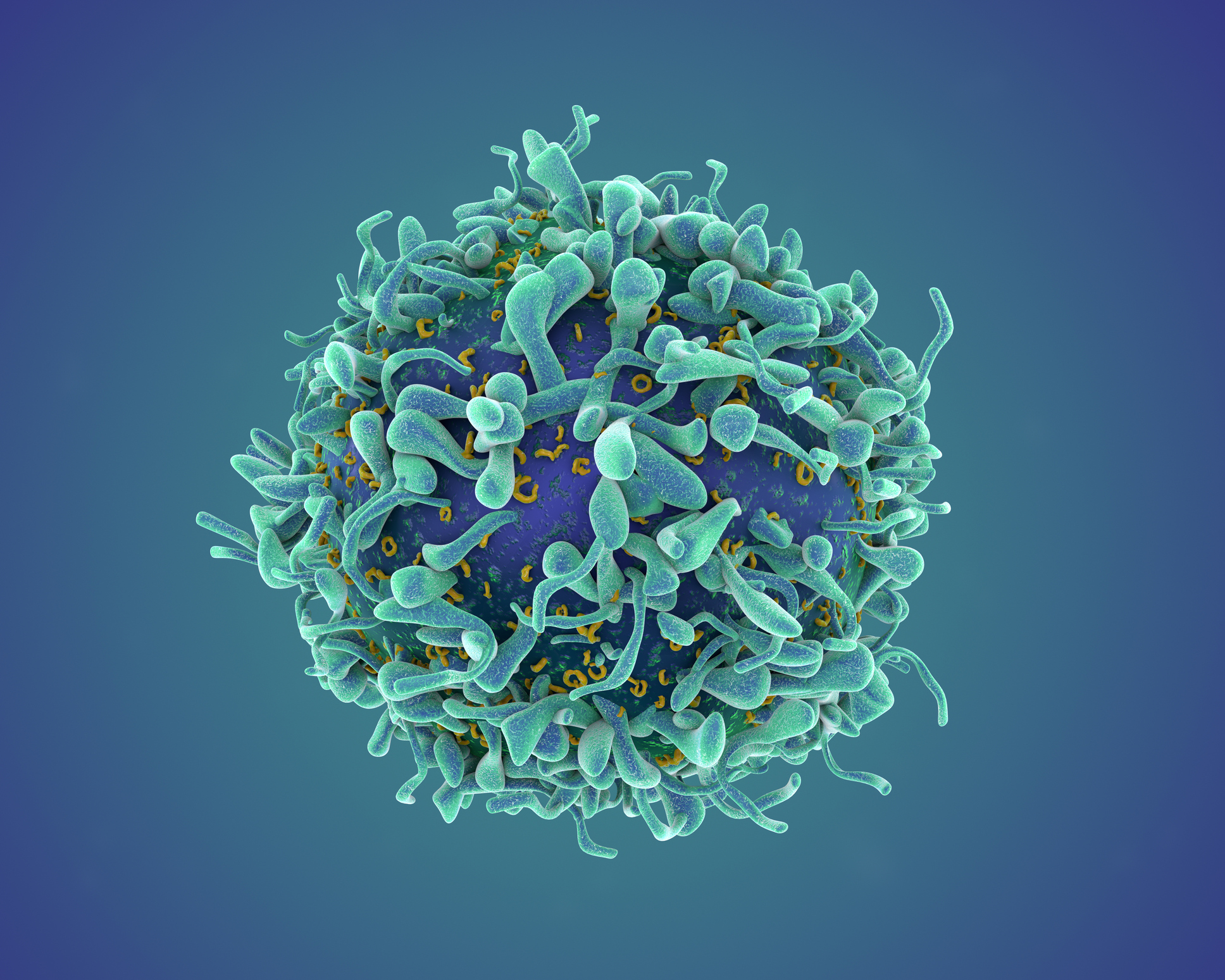
The most common explanation given for this “oral tolerance” is that immune cells that react to proteins in food are generated but are then preferentially killed or somehow inactivated. But most of the experiments leading to this conclusion were done with transgenic mice that have a severely depleted T cell repertoire and thus lack a normal immune response. New work published in Nature uses mice with a normal, functioning immune system to recheck this result.
The mice were reared on a gluten-free diet and then challenged with a portion of one of the gluten proteins called gliadin—a protein that is known to elicit a T cell response.
Keep it Clean. Please avoid obscene, vulgar, lewd,
racist or sexually-oriented language. PLEASE TURN OFF YOUR CAPS LOCK. Don't Threaten. Threats of harming another
person will not be tolerated. Be Truthful. Don't knowingly lie about anyone
or anything. Be Nice. No racism, sexism or any sort of -ism
that is degrading to another person. Be Proactive. Use the 'Report' link on
each comment to let us know of abusive posts. Share with Us. We'd love to hear eyewitness
accounts, the history behind an article.


(0) comments
Welcome to the discussion.
Log In
Keep it Clean. Please avoid obscene, vulgar, lewd, racist or sexually-oriented language.
PLEASE TURN OFF YOUR CAPS LOCK.
Don't Threaten. Threats of harming another person will not be tolerated.
Be Truthful. Don't knowingly lie about anyone or anything.
Be Nice. No racism, sexism or any sort of -ism that is degrading to another person.
Be Proactive. Use the 'Report' link on each comment to let us know of abusive posts.
Share with Us. We'd love to hear eyewitness accounts, the history behind an article.