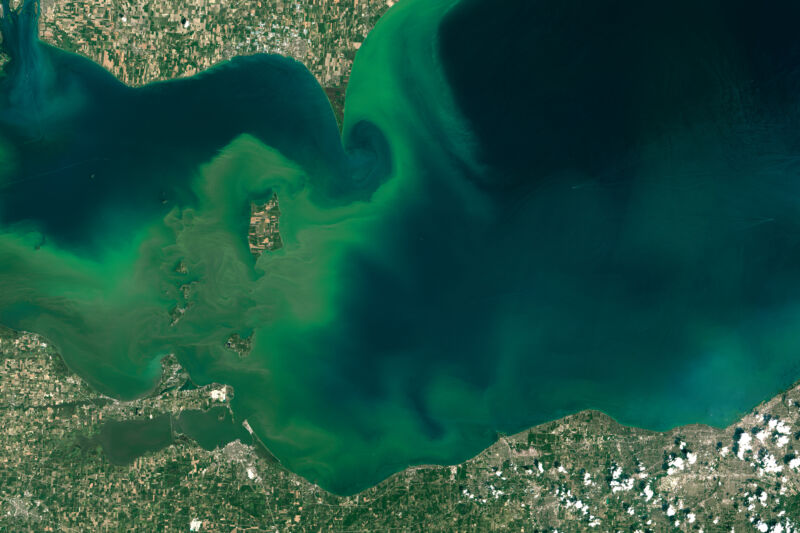


Midsummer is the time for forecasts of the size of this year’s “dead zones” and algal blooms in major lakes and bays. Will the Gulf of Mexico dead zone be the size of New Jersey, or only as big as Connecticut? Will Lake Erie’s bloom blossom to a human health crisis, or just devastate the coastal economy?
We are scientists who each have spent almost 50 years figuring out what causes dead zones and what it will take to resuscitate them and reduce risks of toxic blooms of algae. Researchers can forecast these phenomena quite well and have calculated the nitrogen and phosphorus pollution cuts needed to reduce them.
These targets are now written into formal government commitments to clean up Lake Erie, the Gulf, and the Chesapeake Bay. Farmers and land owners nationwide received $30 billion to support conservation, including practices designed to reduce water pollution, from 2005 to 2015, and are scheduled to receive $60 billion more between 2019 and 2028.
Keep it Clean. Please avoid obscene, vulgar, lewd,
racist or sexually-oriented language. PLEASE TURN OFF YOUR CAPS LOCK. Don't Threaten. Threats of harming another
person will not be tolerated. Be Truthful. Don't knowingly lie about anyone
or anything. Be Nice. No racism, sexism or any sort of -ism
that is degrading to another person. Be Proactive. Use the 'Report' link on
each comment to let us know of abusive posts. Share with Us. We'd love to hear eyewitness
accounts, the history behind an article.


(0) comments
Welcome to the discussion.
Log In
Keep it Clean. Please avoid obscene, vulgar, lewd, racist or sexually-oriented language.
PLEASE TURN OFF YOUR CAPS LOCK.
Don't Threaten. Threats of harming another person will not be tolerated.
Be Truthful. Don't knowingly lie about anyone or anything.
Be Nice. No racism, sexism or any sort of -ism that is degrading to another person.
Be Proactive. Use the 'Report' link on each comment to let us know of abusive posts.
Share with Us. We'd love to hear eyewitness accounts, the history behind an article.