In the city of Woburn, Massachusetts, a suburb just north of Boston, a cadre of engineers and scientists in white coats inspected an orderly stack of brick-sized, gunmetal-gray steel ingots on a desk inside a neon-illuminated lab space.
What they were looking at was a batch of steel created using an innovative manufacturing method, one that Boston Metal, a company that spun out a decade ago from MIT, hopes will dramatically reshape the way the alloy has been made for centuries. By using electricity to separate iron from its ore, the firm claims it can make steel without releasing carbon dioxide, offering a path to cleaning up one of the world’s worst industries for greenhouse gas emissions.
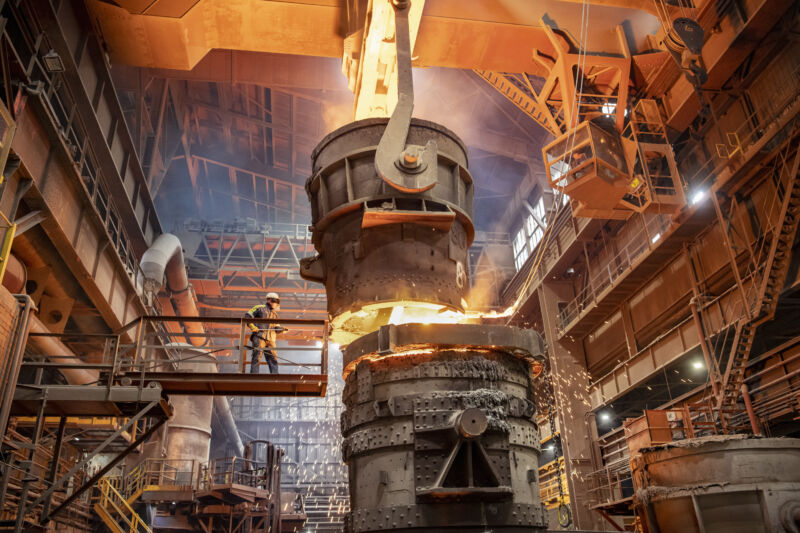
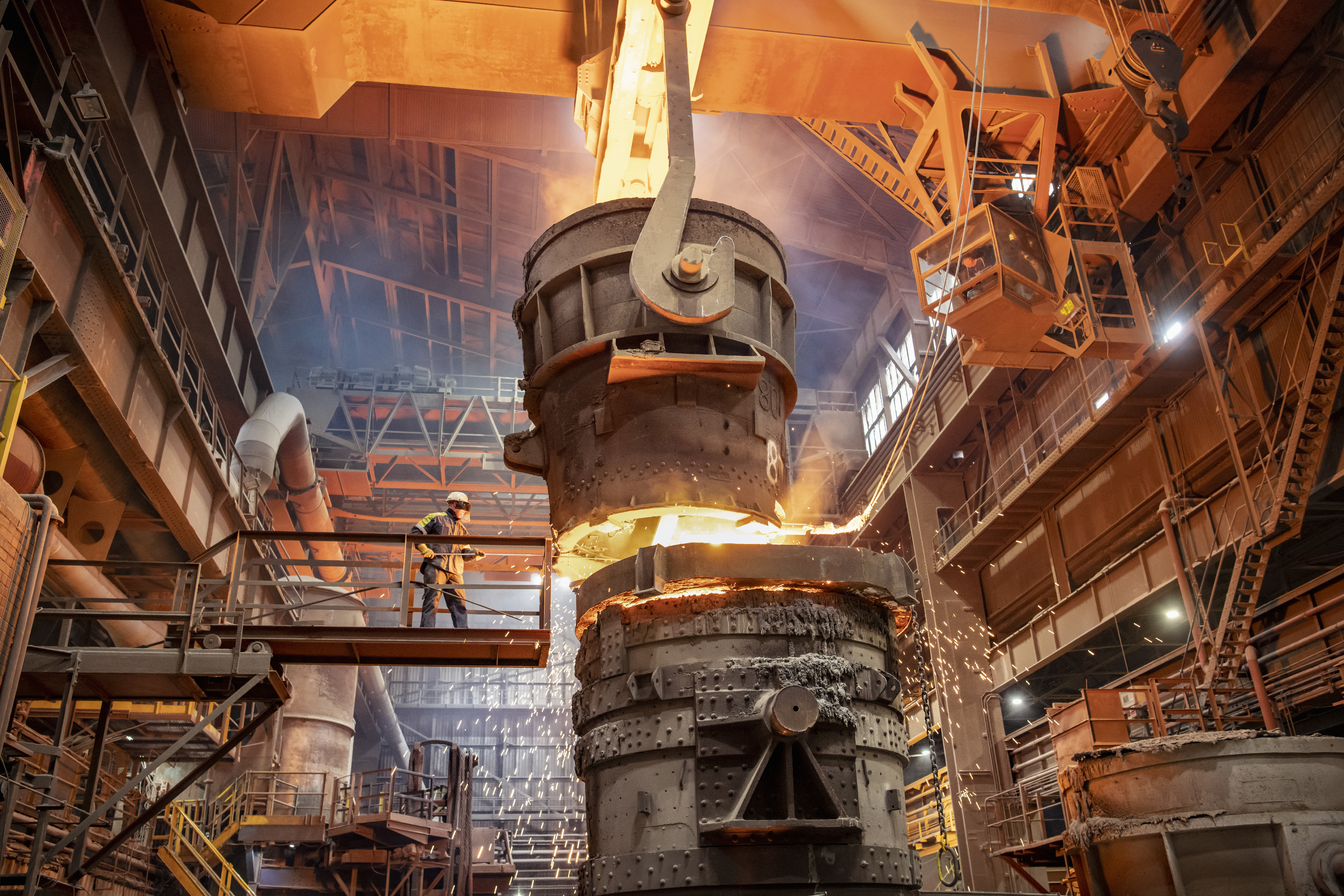
An essential input for engineering and construction, steel is one of the most popular industrial materials in the world, with more than 2 billion tons produced annually. This abundance, however, comes at a steep price for the environment. Steelmaking accounts for 7 to 11 percent of global greenhouse-gas emissions, making it one of the largest industrial sources of atmospheric pollution. And because production could rise by a third by 2050, this environmental burden could grow.
Keep it Clean. Please avoid obscene, vulgar, lewd,
racist or sexually-oriented language. PLEASE TURN OFF YOUR CAPS LOCK. Don't Threaten. Threats of harming another
person will not be tolerated. Be Truthful. Don't knowingly lie about anyone
or anything. Be Nice. No racism, sexism or any sort of -ism
that is degrading to another person. Be Proactive. Use the 'Report' link on
each comment to let us know of abusive posts. Share with Us. We'd love to hear eyewitness
accounts, the history behind an article.


(0) comments
Welcome to the discussion.
Log In
Keep it Clean. Please avoid obscene, vulgar, lewd, racist or sexually-oriented language.
PLEASE TURN OFF YOUR CAPS LOCK.
Don't Threaten. Threats of harming another person will not be tolerated.
Be Truthful. Don't knowingly lie about anyone or anything.
Be Nice. No racism, sexism or any sort of -ism that is degrading to another person.
Be Proactive. Use the 'Report' link on each comment to let us know of abusive posts.
Share with Us. We'd love to hear eyewitness accounts, the history behind an article.