Over the last decade or so, the science community has been concerned about what has been called the "reproducibility crisis": the apparent failure of some significant experiments to produce the same results when they're repeated. That failure has led to many suggestions about what might be done to improve matters, but we still don't fully understand why experiments are failing to reproduce results.
A few recent studies have attempted to pinpoint the underlying problem. A new study approached reproducibility failure by running a set of identical behavioral experiments in several labs in Switzerland and Germany. It found that many of the differences come down to the lab itself. But there's also variability in the results that can't be ascribed to any obvious cause and may just arise from differences between individual mice.
Try and try again
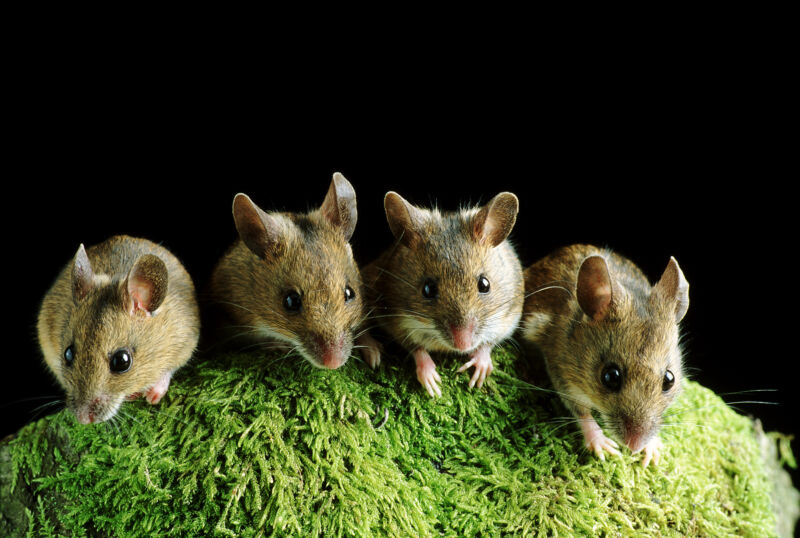
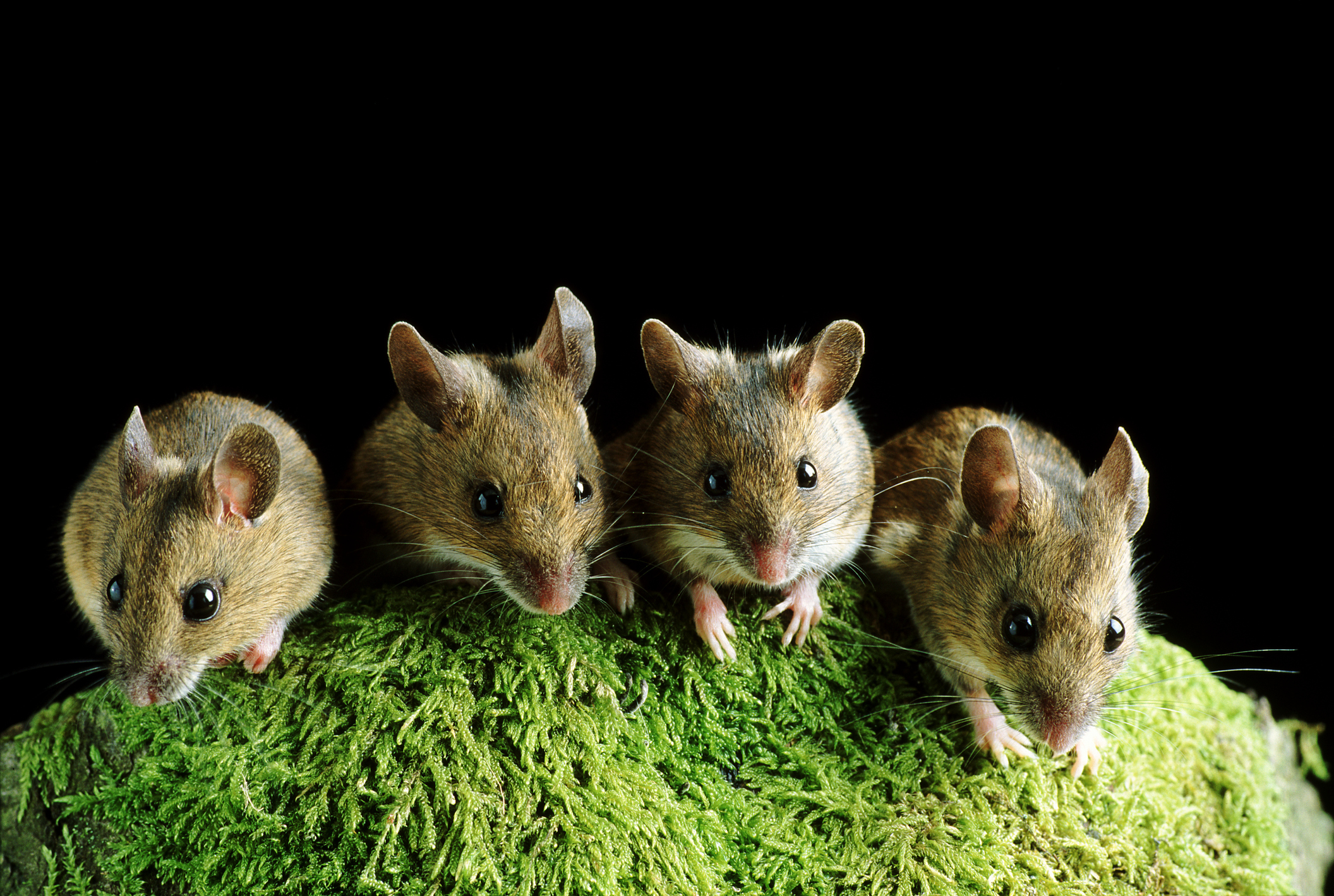
The basic outline of the work is pretty simple: Get three labs to perform the same set of 10 standard behavioral experiments on mice. But the researchers took a number of additional steps to allow a detailed look at the underlying factors that might drive variation in experimental results. The experiments were done on two different mouse strains, both of which had been inbred for many generations, limiting genetic variability. All the mice were ordered from the same company. They were housed in identical conditions and were tested while they were the same age.
Keep it Clean. Please avoid obscene, vulgar, lewd,
racist or sexually-oriented language. PLEASE TURN OFF YOUR CAPS LOCK. Don't Threaten. Threats of harming another
person will not be tolerated. Be Truthful. Don't knowingly lie about anyone
or anything. Be Nice. No racism, sexism or any sort of -ism
that is degrading to another person. Be Proactive. Use the 'Report' link on
each comment to let us know of abusive posts. Share with Us. We'd love to hear eyewitness
accounts, the history behind an article.


(0) comments
Welcome to the discussion.
Log In
Keep it Clean. Please avoid obscene, vulgar, lewd, racist or sexually-oriented language.
PLEASE TURN OFF YOUR CAPS LOCK.
Don't Threaten. Threats of harming another person will not be tolerated.
Be Truthful. Don't knowingly lie about anyone or anything.
Be Nice. No racism, sexism or any sort of -ism that is degrading to another person.
Be Proactive. Use the 'Report' link on each comment to let us know of abusive posts.
Share with Us. We'd love to hear eyewitness accounts, the history behind an article.