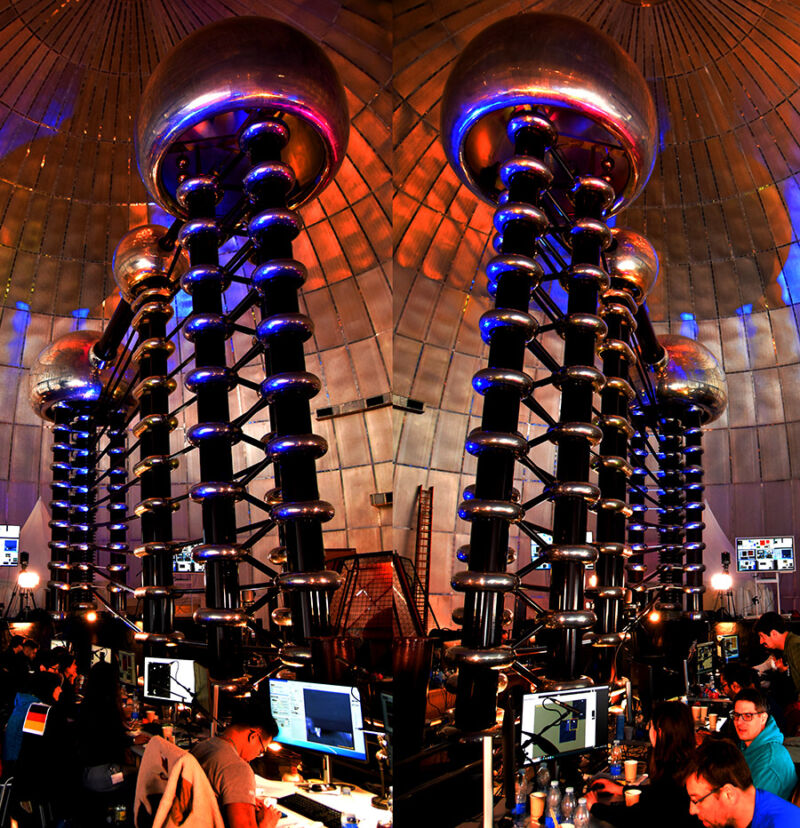
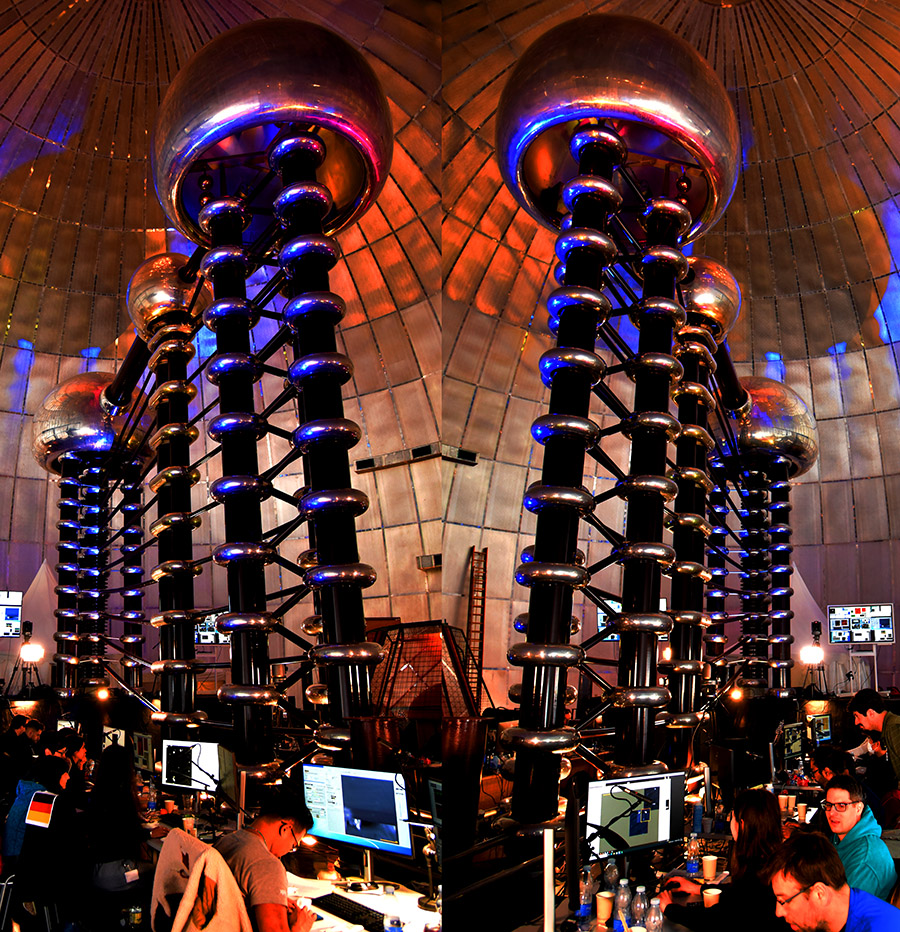
Enlarge/ Two views of hardware from the world's largest electron microscope, which loomed over the event. (credit: Jonathan Hill)
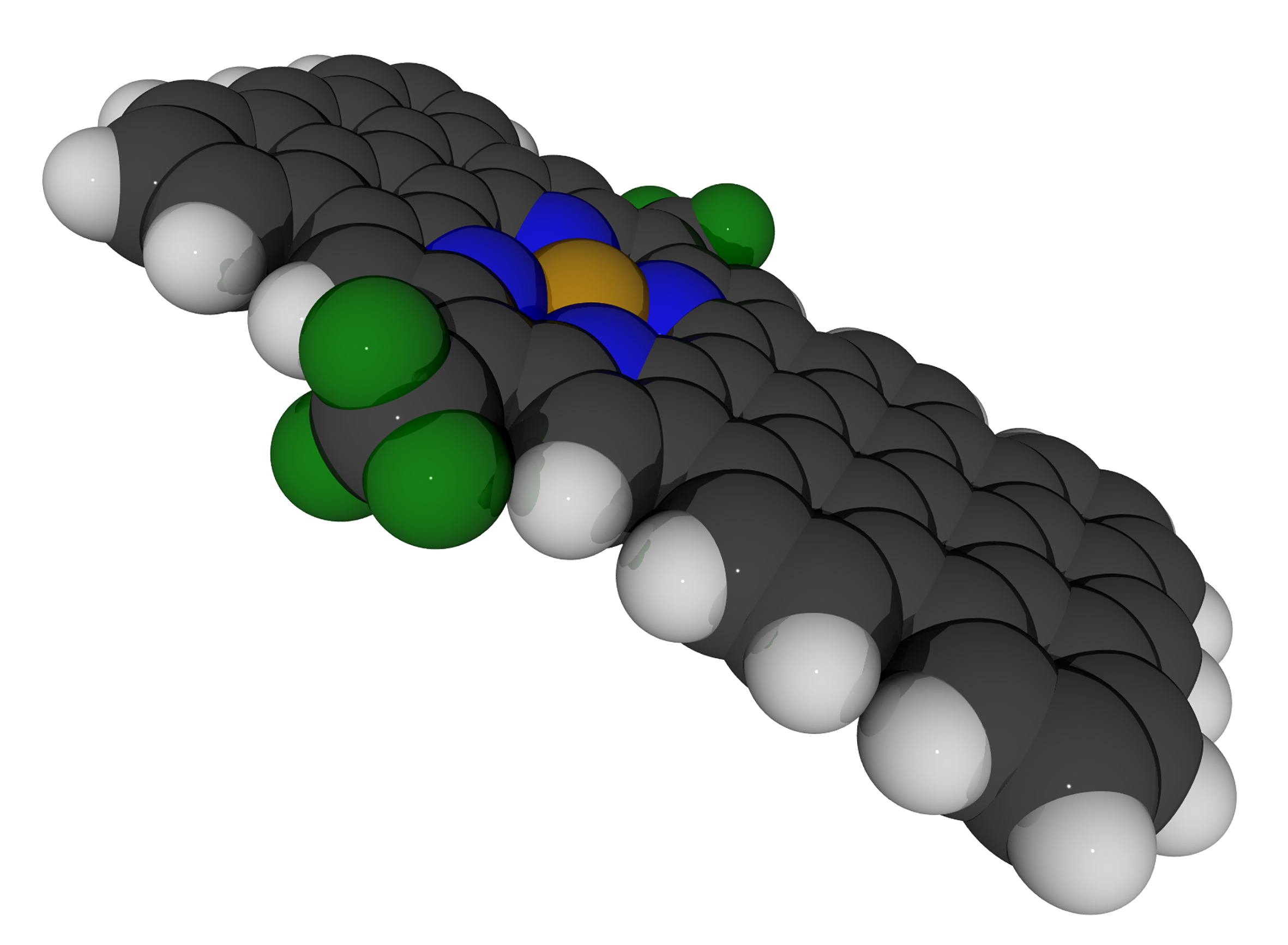
C64H22CuF6N4: it is both a chemical formula and the technical specification of a car that won the 24-hour race held recently in France. No, not the one in Le Mans. This particular event, Nanocar Race II—dubbed “the race of the smallest cars in the world”—was held in Toulouse, with eight teams fielding cars of nanometric dimensions.
Each car was essentially a molecule. The race-winning C64H22CuF6N4 molecule, measuring three nanometers in length and one nanometer in width, traveled a distance of one micron (1 millionth of a meter) in 24 hours, the longest distance in the competition.
The car was developed by the NIMS-MANA team from Tsukuba, Japan. Jonathan Hill, the team’s constructor leader, was pleasantly surprised by the result. “We hadn’t done so well in the first edition of the race in 2017. We didn’t expect to finish in the top three this time,” Hill told Ars Technica.
Keep it Clean. Please avoid obscene, vulgar, lewd,
racist or sexually-oriented language. PLEASE TURN OFF YOUR CAPS LOCK. Don't Threaten. Threats of harming another
person will not be tolerated. Be Truthful. Don't knowingly lie about anyone
or anything. Be Nice. No racism, sexism or any sort of -ism
that is degrading to another person. Be Proactive. Use the 'Report' link on
each comment to let us know of abusive posts. Share with Us. We'd love to hear eyewitness
accounts, the history behind an article.


(0) comments
Welcome to the discussion.
Log In
Keep it Clean. Please avoid obscene, vulgar, lewd, racist or sexually-oriented language.
PLEASE TURN OFF YOUR CAPS LOCK.
Don't Threaten. Threats of harming another person will not be tolerated.
Be Truthful. Don't knowingly lie about anyone or anything.
Be Nice. No racism, sexism or any sort of -ism that is degrading to another person.
Be Proactive. Use the 'Report' link on each comment to let us know of abusive posts.
Share with Us. We'd love to hear eyewitness accounts, the history behind an article.