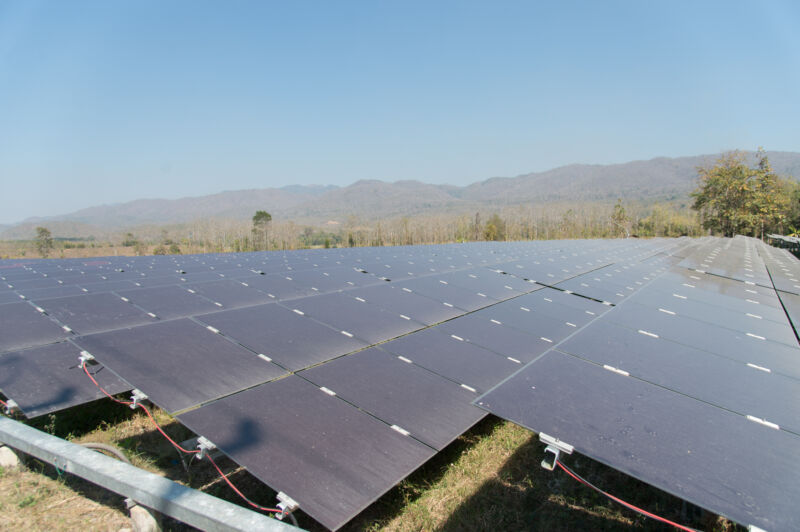
Enlarge/ Managing a microgram might be a case where blockchain is actually useful. (credit: Getty Images)
One of the worst features of blockchain technologies like cryptocurrency and NFTs is their horrific energy use. When we should be wringing every bit of efficiency out of our electricity use, most blockchains require computers to perform pointless calculations repeatedly.
The obvious solution is to base blockchains on useful calculations—something we might need to do anyway. Unfortunately, the math involved in a blockchain has to have a very specific property: The solution must be difficult to calculate but easy to verify. Nevertheless, a number of useful calculations have been identified as possible replacements for the ones currently being used in many systems.
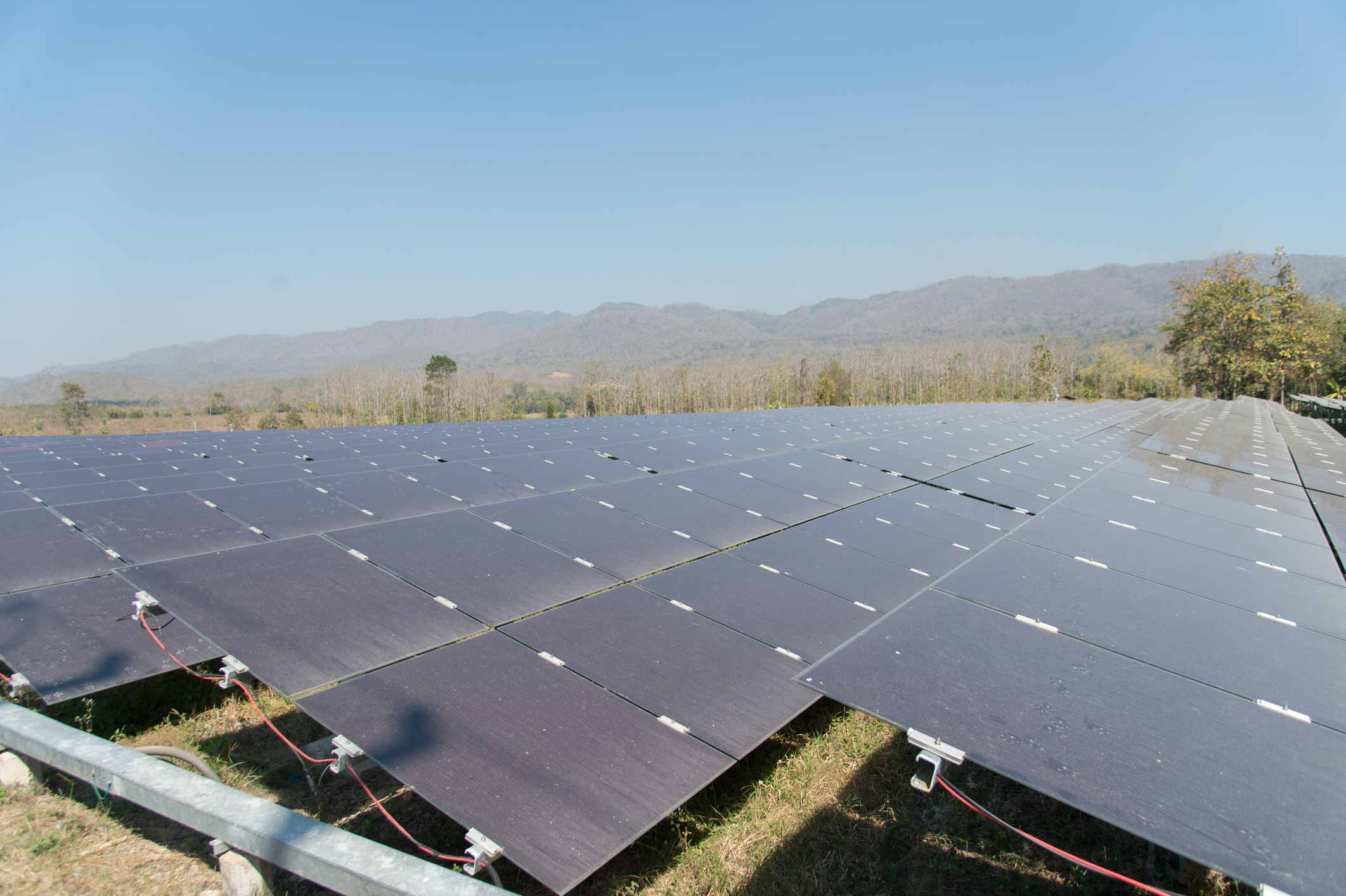
A paper released this week adds another option to this list. Optimization problems are notoriously expensive in terms of computations, but the quality of a solution is relatively easy to evaluate. And in this case, the systems being optimized are small energy grids, meaning that this approach could partly offset some of a blockchain's horrific energy usage.
Keep it Clean. Please avoid obscene, vulgar, lewd,
racist or sexually-oriented language. PLEASE TURN OFF YOUR CAPS LOCK. Don't Threaten. Threats of harming another
person will not be tolerated. Be Truthful. Don't knowingly lie about anyone
or anything. Be Nice. No racism, sexism or any sort of -ism
that is degrading to another person. Be Proactive. Use the 'Report' link on
each comment to let us know of abusive posts. Share with Us. We'd love to hear eyewitness
accounts, the history behind an article.


(0) comments
Welcome to the discussion.
Log In
Keep it Clean. Please avoid obscene, vulgar, lewd, racist or sexually-oriented language.
PLEASE TURN OFF YOUR CAPS LOCK.
Don't Threaten. Threats of harming another person will not be tolerated.
Be Truthful. Don't knowingly lie about anyone or anything.
Be Nice. No racism, sexism or any sort of -ism that is degrading to another person.
Be Proactive. Use the 'Report' link on each comment to let us know of abusive posts.
Share with Us. We'd love to hear eyewitness accounts, the history behind an article.