Earth Day is April 22, and its usual message—take care of our planet—has been given added urgency by the challenges highlighted in the latest IPCC report. This year, Ars is taking a look at the technologies we normally cover, from cars to chipmaking, and finding out how we can boost their sustainability and minimize their climate impact.
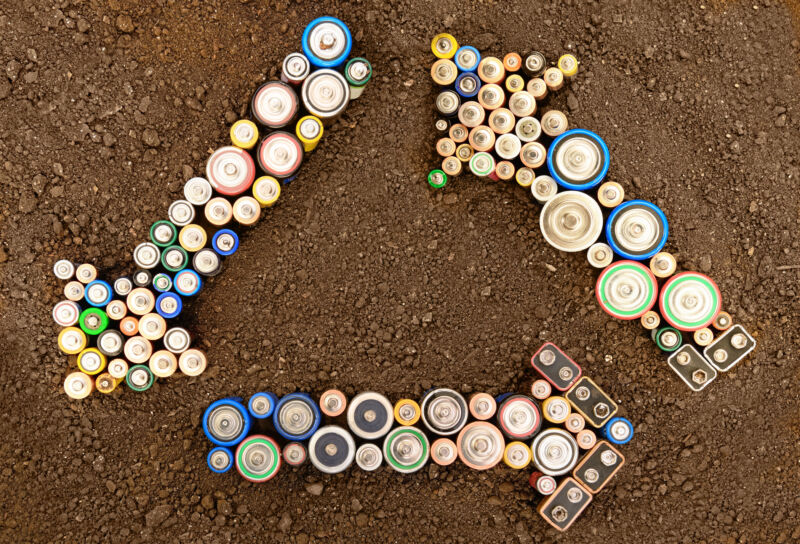
Electric vehicles, power tools, smartwatches—Lithium-ion batteries are everywhere now. However, the materials to make them are finite, and sourcing them has environmental, humanitarian, and economic implications. Recycling is key to addressing those, but a recent study shows most Lithium-ion batteries never get recycled.
Lithium and several other metals that make up these batteries are incredibly valuable. The cost of raw lithium is roughly seven times what you'd pay for the same weight in lead, but unlike lithium batteries, almost all lead-acid batteries get recycled. So there’s something beyond pure economics at play.
Keep it Clean. Please avoid obscene, vulgar, lewd,
racist or sexually-oriented language. PLEASE TURN OFF YOUR CAPS LOCK. Don't Threaten. Threats of harming another
person will not be tolerated. Be Truthful. Don't knowingly lie about anyone
or anything. Be Nice. No racism, sexism or any sort of -ism
that is degrading to another person. Be Proactive. Use the 'Report' link on
each comment to let us know of abusive posts. Share with Us. We'd love to hear eyewitness
accounts, the history behind an article.


(0) comments
Welcome to the discussion.
Log In
Keep it Clean. Please avoid obscene, vulgar, lewd, racist or sexually-oriented language.
PLEASE TURN OFF YOUR CAPS LOCK.
Don't Threaten. Threats of harming another person will not be tolerated.
Be Truthful. Don't knowingly lie about anyone or anything.
Be Nice. No racism, sexism or any sort of -ism that is degrading to another person.
Be Proactive. Use the 'Report' link on each comment to let us know of abusive posts.
Share with Us. We'd love to hear eyewitness accounts, the history behind an article.