The past two election cycles have seen an explosion of attention given to “echo chambers,” or communities where a narrow set of views makes people less likely to challenge their own opinions. Much of this concern has focused on the rise of social media, which has radically transformed the information ecosystem.
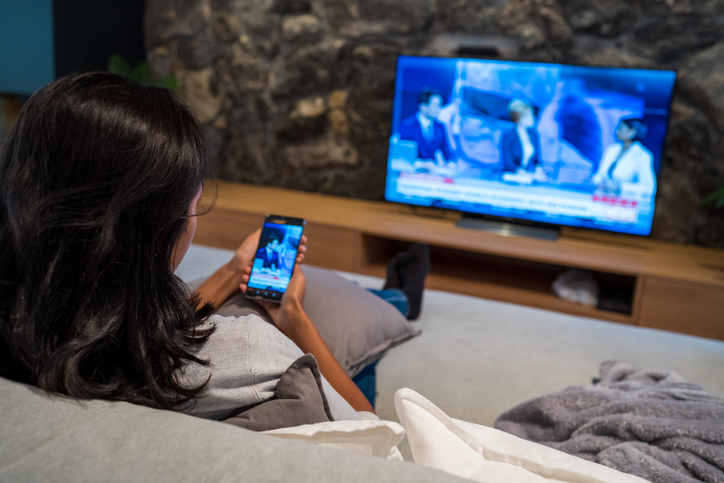
However, when scientists investigated social media echo chambers, they found surprisingly little evidence of them on a large scale—or at least none on a scale large enough to warrant the growing concerns. And yet, selective exposure to news does increase polarization. This suggested that these studies missed part of the picture of Americans’ news consumption patterns. Crucially, they did not factor in a major component of the average American’s experience of news: television.
Keep it Clean. Please avoid obscene, vulgar, lewd,
racist or sexually-oriented language. PLEASE TURN OFF YOUR CAPS LOCK. Don't Threaten. Threats of harming another
person will not be tolerated. Be Truthful. Don't knowingly lie about anyone
or anything. Be Nice. No racism, sexism or any sort of -ism
that is degrading to another person. Be Proactive. Use the 'Report' link on
each comment to let us know of abusive posts. Share with Us. We'd love to hear eyewitness
accounts, the history behind an article.


(0) comments
Welcome to the discussion.
Log In
Keep it Clean. Please avoid obscene, vulgar, lewd, racist or sexually-oriented language.
PLEASE TURN OFF YOUR CAPS LOCK.
Don't Threaten. Threats of harming another person will not be tolerated.
Be Truthful. Don't knowingly lie about anyone or anything.
Be Nice. No racism, sexism or any sort of -ism that is degrading to another person.
Be Proactive. Use the 'Report' link on each comment to let us know of abusive posts.
Share with Us. We'd love to hear eyewitness accounts, the history behind an article.