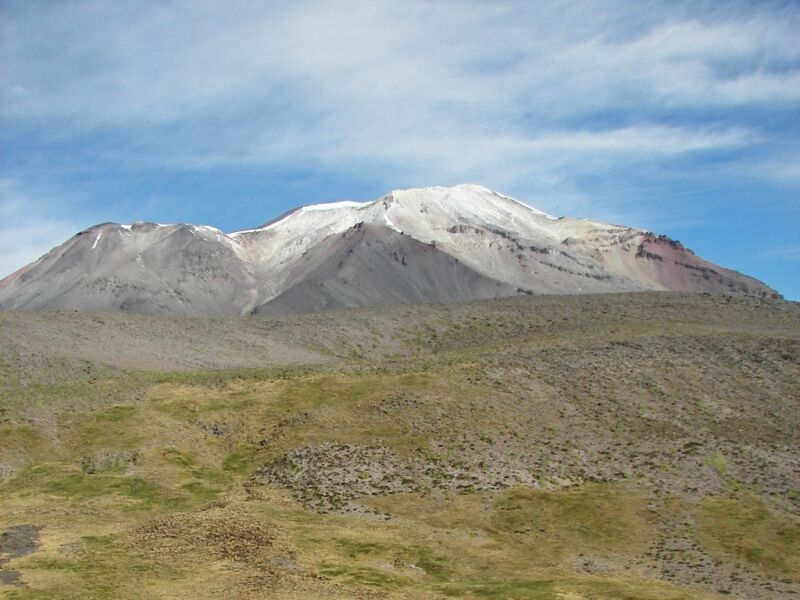
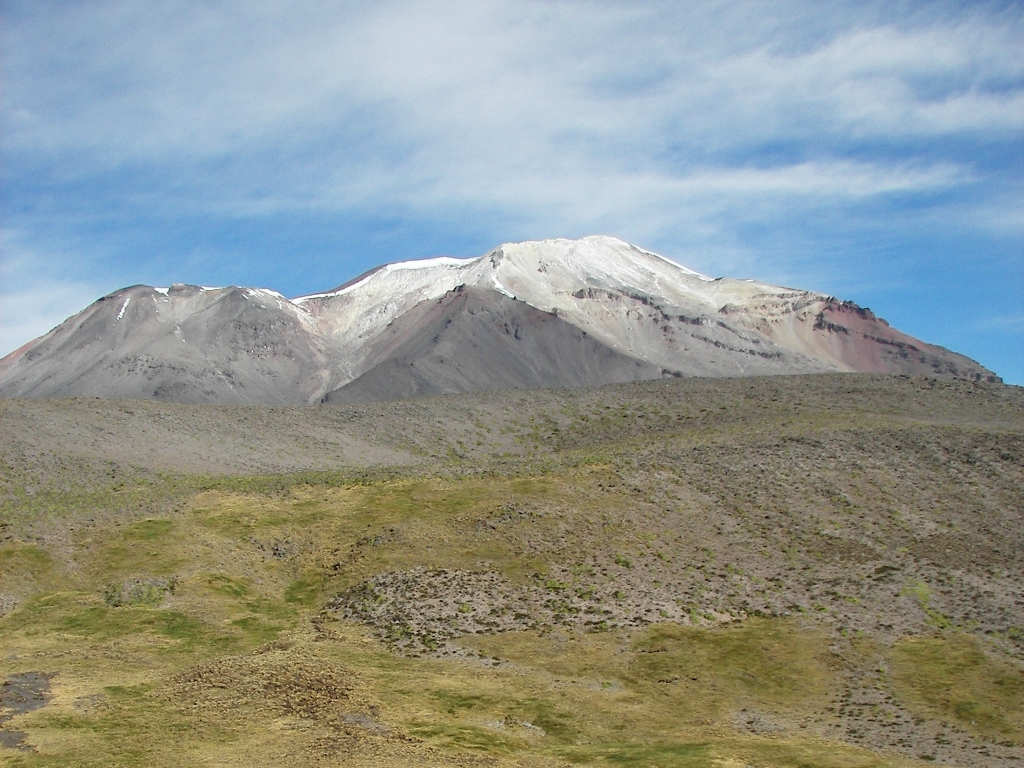
A recent toxicology analysis of the 500-year-old remains of two small children sacrificed in a ritual atop southern Peru’s Ampato volcano showed that the children’s hair and fingernails contained traces of cocaine, as well as two chemical compounds from a flowering vine that’s a key ingredient in the psychedelic beverage ayahuasca.
The compounds in question, harmine and harmaline, are both part of a group of antidepressants called MAOIs (monoamine oxidase inhibitors). The only possible place the Inca could have found these compounds is the flowering vine known to modern science as Banisteriopsis caapi—and to the Indigenous Quechua people as “liana of the dead.” Famously, the liana is one of the two main ingredients in a ritual drink called ayahuasca, which can induce hallucinations or an altered state of mind.
But the analysis found no trace of the compound DMT (N,N-Dimethyltryptamine), which makes ayahuasca such a powerful hallucinogenic. That compound comes from the other main ingredient in ayahuasca, a shrub called chacruna (which, incidentally, is a relative of the plant that gives us coffee).
Keep it Clean. Please avoid obscene, vulgar, lewd,
racist or sexually-oriented language. PLEASE TURN OFF YOUR CAPS LOCK. Don't Threaten. Threats of harming another
person will not be tolerated. Be Truthful. Don't knowingly lie about anyone
or anything. Be Nice. No racism, sexism or any sort of -ism
that is degrading to another person. Be Proactive. Use the 'Report' link on
each comment to let us know of abusive posts. Share with Us. We'd love to hear eyewitness
accounts, the history behind an article.


(0) comments
Welcome to the discussion.
Log In
Keep it Clean. Please avoid obscene, vulgar, lewd, racist or sexually-oriented language.
PLEASE TURN OFF YOUR CAPS LOCK.
Don't Threaten. Threats of harming another person will not be tolerated.
Be Truthful. Don't knowingly lie about anyone or anything.
Be Nice. No racism, sexism or any sort of -ism that is degrading to another person.
Be Proactive. Use the 'Report' link on each comment to let us know of abusive posts.
Share with Us. We'd love to hear eyewitness accounts, the history behind an article.