As the Earth’s climate warms, some animals may seek a reprieve from the heat in colder, northern climates or higher altitudes. For some species, these cooler locales may provide greener—so to speak—pastures than their current homes as annual average temperatures continue to increase.
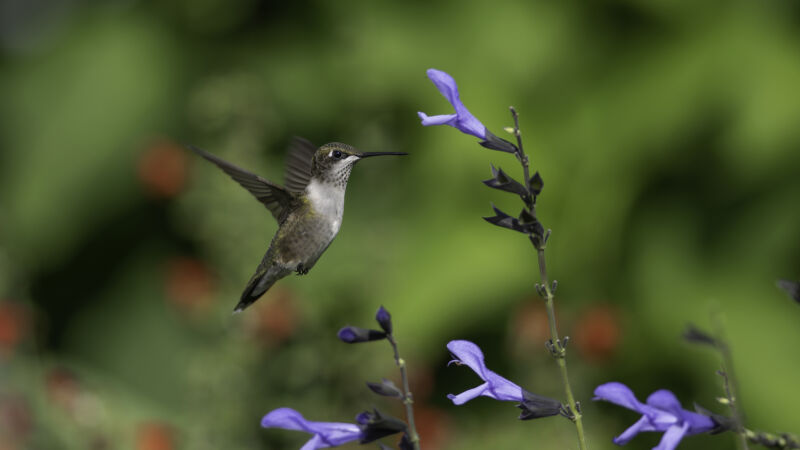
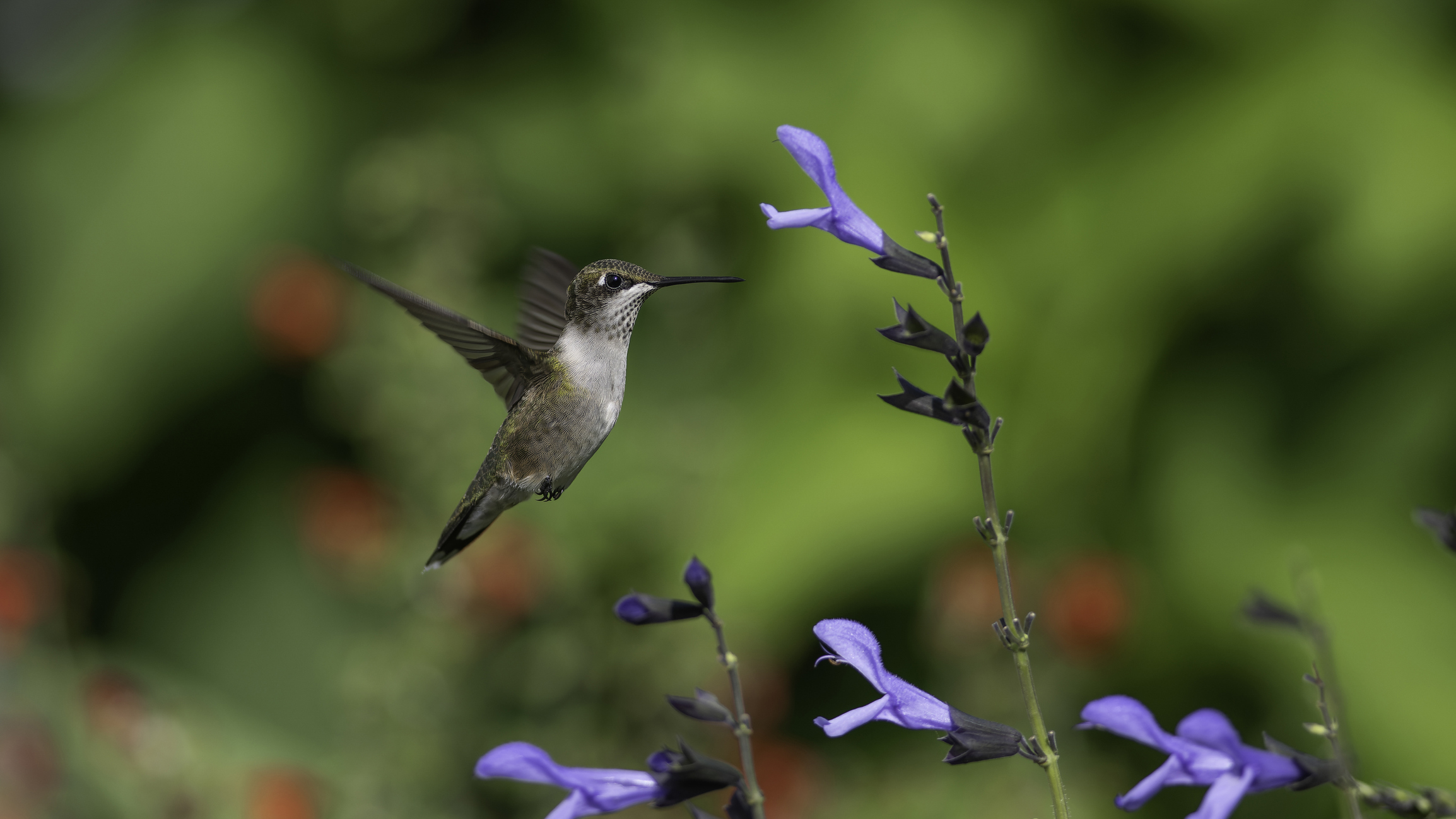
For the diminutive Anna’s hummingbird—which calls North America’s West Coast from California to Vancouver, British Columbia, home—this might not be an option. According to research published Thursday in the Journal of Experimental Biology, a move to chillier and higher altitudes would achieve only two things: cause them to struggle to hover as their metabolic rate drops and sleep most of the day.
“As you get upslope, it’s colder, and also there’s less oxygen available. You can think of this like Everest; people have to go up to basecamp and bring extra oxygen and get used to it up there,” Austin Spence, one of the paper’s authors and a post-doctoral researcher at the University of California Davis’ Department of Wildlife, Fish, and Conservation Biology, told Ars.
Keep it Clean. Please avoid obscene, vulgar, lewd,
racist or sexually-oriented language. PLEASE TURN OFF YOUR CAPS LOCK. Don't Threaten. Threats of harming another
person will not be tolerated. Be Truthful. Don't knowingly lie about anyone
or anything. Be Nice. No racism, sexism or any sort of -ism
that is degrading to another person. Be Proactive. Use the 'Report' link on
each comment to let us know of abusive posts. Share with Us. We'd love to hear eyewitness
accounts, the history behind an article.


(0) comments
Welcome to the discussion.
Log In
Keep it Clean. Please avoid obscene, vulgar, lewd, racist or sexually-oriented language.
PLEASE TURN OFF YOUR CAPS LOCK.
Don't Threaten. Threats of harming another person will not be tolerated.
Be Truthful. Don't knowingly lie about anyone or anything.
Be Nice. No racism, sexism or any sort of -ism that is degrading to another person.
Be Proactive. Use the 'Report' link on each comment to let us know of abusive posts.
Share with Us. We'd love to hear eyewitness accounts, the history behind an article.