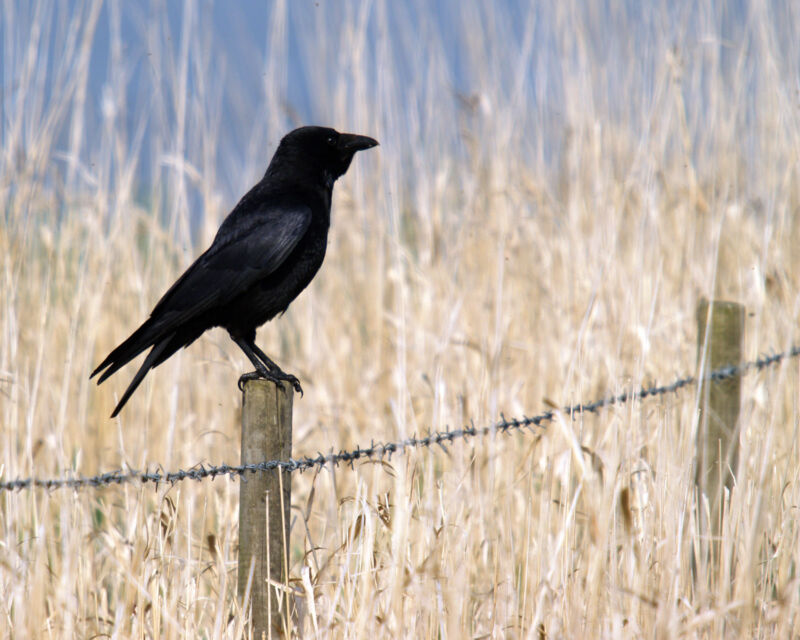
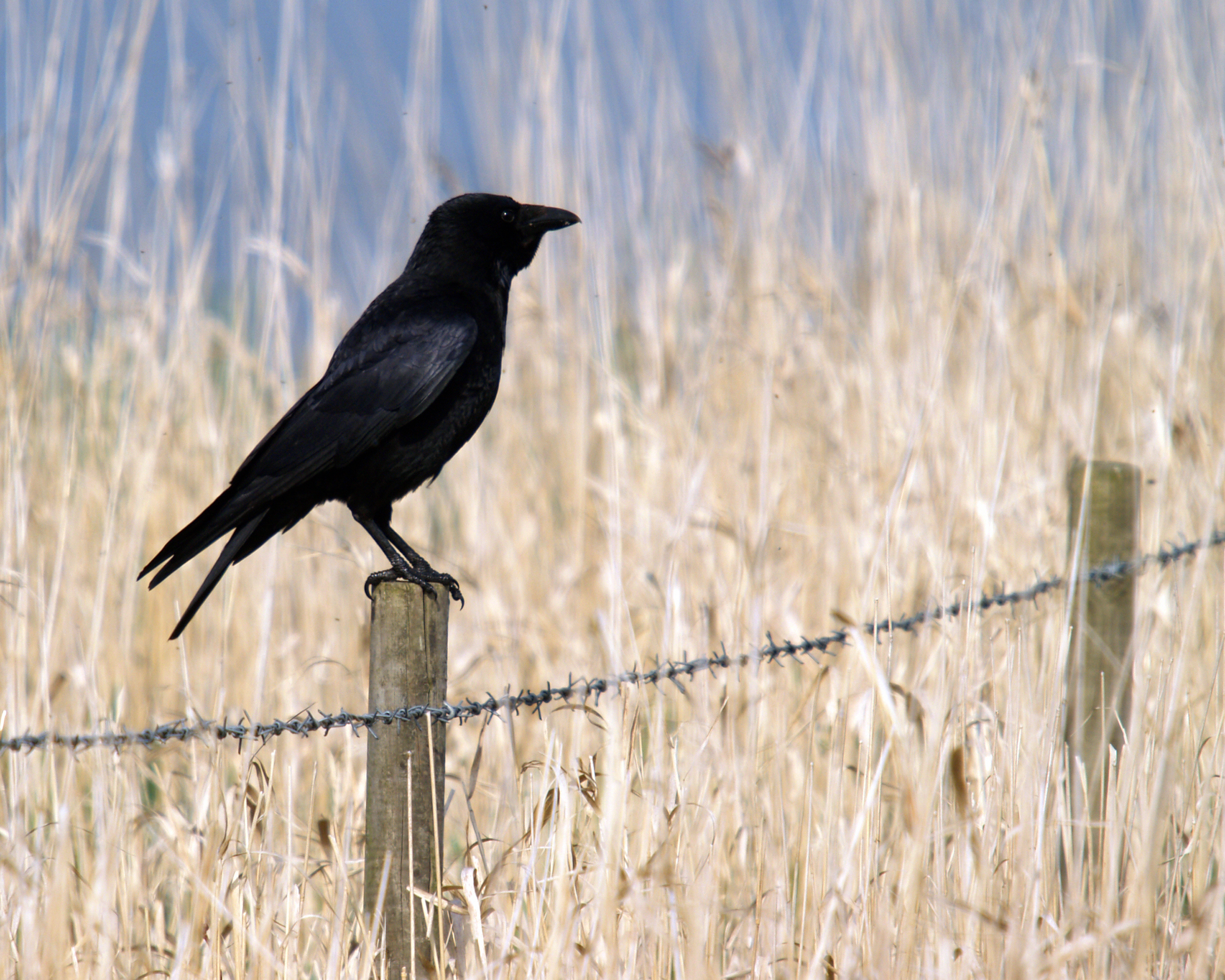
Behavior that we'd consider intelligent is oddly widespread in the animal kingdom. Animals with very different brains from ours—a species of octopus and various birds—engage with tools, to give just one example. It seems intuitive that a brain needs a certain level of size and sophistication to enable intelligence. But figuring out why some species seem to have intelligence while closely related ones don't has proven difficult—so difficult that we don't really understand it.
One of the simplest ideas has been that size is everything: have a big enough brain, and you at least have the potential to be smart. But lots of birds seem to be quite intelligent despite small brains—possibly because they cram more neurons into a given volume than other species. Some researchers favor the idea that intelligence comes out of having a large brain relative to your body size, but the evidence there is a bit mixed.
This week, a team of researchers published a paper arguing that the answer is a little of both: relative and absolute size matter when it comes to the brain. And they argue that a specific approach to brain development helps enable it.
Keep it Clean. Please avoid obscene, vulgar, lewd,
racist or sexually-oriented language. PLEASE TURN OFF YOUR CAPS LOCK. Don't Threaten. Threats of harming another
person will not be tolerated. Be Truthful. Don't knowingly lie about anyone
or anything. Be Nice. No racism, sexism or any sort of -ism
that is degrading to another person. Be Proactive. Use the 'Report' link on
each comment to let us know of abusive posts. Share with Us. We'd love to hear eyewitness
accounts, the history behind an article.


(0) comments
Welcome to the discussion.
Log In
Keep it Clean. Please avoid obscene, vulgar, lewd, racist or sexually-oriented language.
PLEASE TURN OFF YOUR CAPS LOCK.
Don't Threaten. Threats of harming another person will not be tolerated.
Be Truthful. Don't knowingly lie about anyone or anything.
Be Nice. No racism, sexism or any sort of -ism that is degrading to another person.
Be Proactive. Use the 'Report' link on each comment to let us know of abusive posts.
Share with Us. We'd love to hear eyewitness accounts, the history behind an article.